
- 0
On May 27, some communities mark International Whores' Day - a day of visibility, protest, and remembrance for sex workers around the world. It’s not a holiday you’ll find on most calendars, but in cities like London, Berlin, and Toronto, it’s a day when activists gather, podcasts drop special episodes, and nurses from local clinics hand out free health kits outside sex worker support centers. This isn’t about glamour or tourism. It’s about safety, dignity, and the quiet work of people who show up when others walk away.
If you’re curious about the human side of this topic - the real stories behind the headlines - you might stumble across girl escort uk forums or blogs that try to capture daily life in the industry. But be careful: what looks like personal testimony online often masks commercial interests. The line between advocacy and exploitation is thin, and many who speak out are not the ones doing the actual work.
What Happens on International Whores' Day?
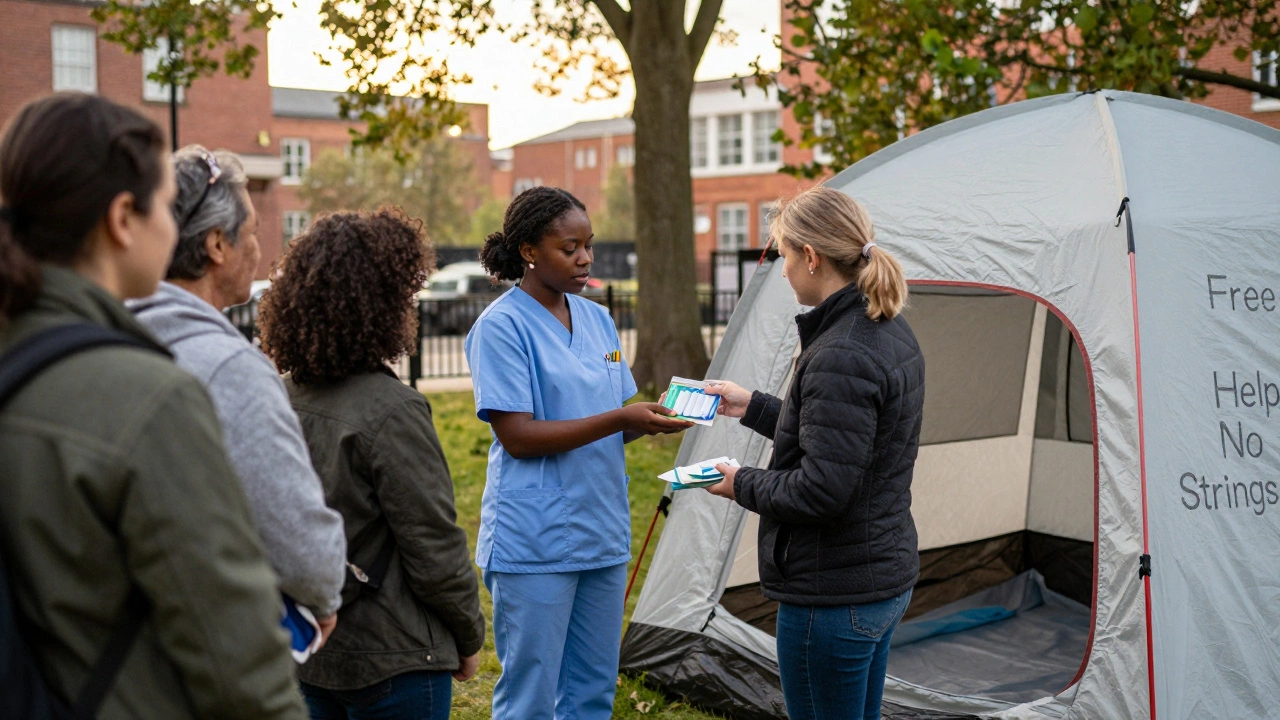
International Whores' Day started in 1975 when sex workers in Lyon, France, occupied a church to demand their rights. Since then, it’s grown into a global day of action. In the UK, events are smaller but no less meaningful. In Birmingham, a group of nurses from the local sexual health clinic set up a pop-up tent outside the city library. They offer free STI tests, condoms, and a listening ear. No judgment. No forms. No questions asked. Just care.
Podcast hosts like Sarah Kavanagh from "The Frontline" record live episodes on this day, interviewing sex workers, former clients, and social workers. One episode from last year featured a nurse who’d been working with sex workers for 18 years. She talked about how the law makes things harder - not safer. "We’re not here to rescue anyone," she said. "We’re here to keep them alive."
Why Nurses Are Key
Nurses don’t get enough credit in this space. They’re often the only medical professionals sex workers trust. Many avoid hospitals because of stigma, fear of being reported, or past experiences with judgmental staff. Community nurses fill that gap. They carry naloxone kits, know which pharmacies will give out clean needles without asking for ID, and can connect people to housing services.
In Manchester, a nurse named Lena runs a mobile clinic that visits parks and underpasses every Thursday. She doesn’t wear a uniform. She brings tea and sandwiches. Her van has a sign that says "Free Help, No Strings." Last year, she helped 412 people access healthcare. None of them were arrested. None of them were turned away.
Podcasts That Tell the Real Stories
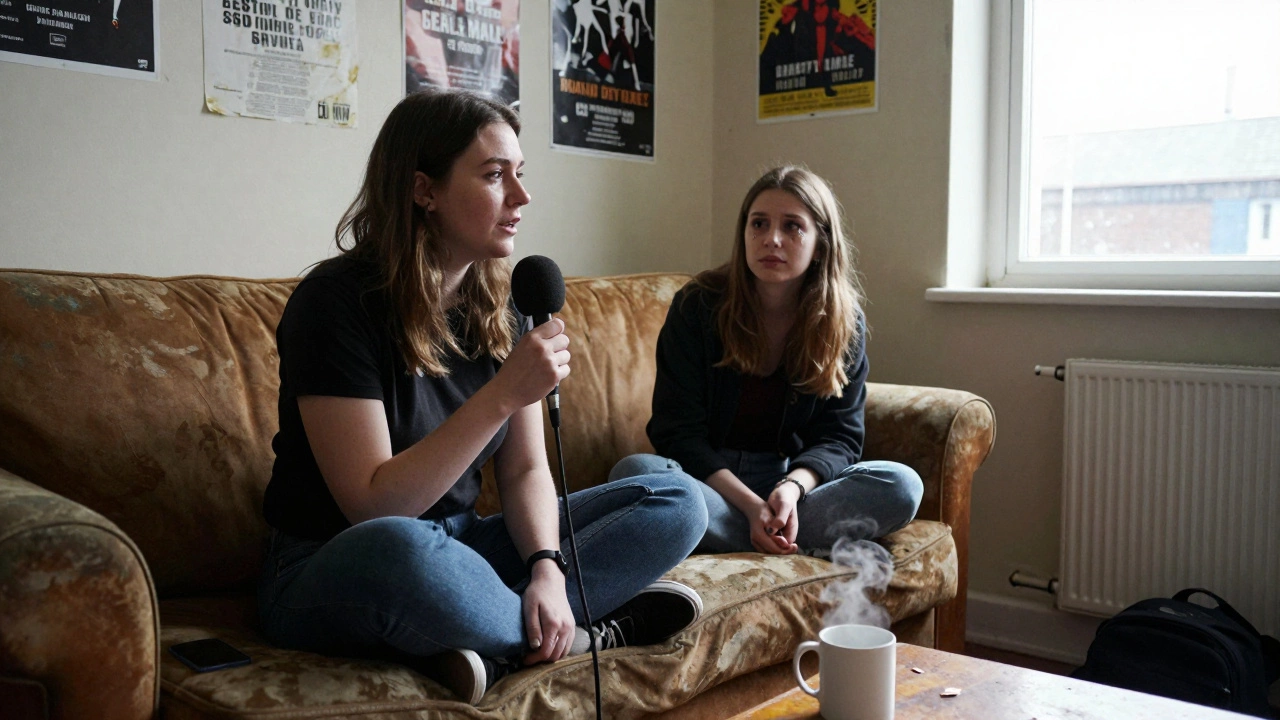
Podcasts have become one of the most honest platforms for sex worker voices. Shows like "Barely Legal," "Sex Work Is Work," and "The Red Umbrella" don’t sensationalize. They let people speak. One host, Amina, recorded an episode from a hostel in Glasgow where she lived for six months after leaving an abusive situation. She talked about how the law criminalizes her survival. "I didn’t choose this because I wanted to. I chose it because I had no other way to pay rent," she said.
These aren’t interviews with celebrities. These are people who wake up every day and decide whether to risk arrest, violence, or eviction just to eat. The podcasts don’t ask you to feel sorry for them. They ask you to see them as human.
The Myth of "Glamour" and the Reality of Survival
There’s a whole industry built around selling the idea of "uk glamour girls escort" - slick websites, filtered photos, promises of luxury. But behind those images are people who are often under 21, in debt, or fleeing abuse. The term "glamour" is a marketing tool, not a description of reality. The same goes for "euro escort uk" - a phrase used to make foreign workers seem exotic or more desirable. In truth, many are from Eastern Europe, fleeing economic collapse or war, and are trapped in systems designed to profit from their vulnerability.
These labels don’t help. They distract. They turn human beings into products. And they make it harder for people to ask for help when they need it.
What You Can Actually Do
You don’t need to attend a rally to make a difference. You can start by changing how you talk about this issue. Don’t say "prostitute." Say "sex worker." Don’t assume someone chose this life because they were lazy or immoral. Ask yourself: what would you do if you had no family, no savings, and no safety net?
Support organizations that offer real services - not rescue missions. Groups like the English Collective of Prostitutes, the Red Thread, and the Sex Workers’ Outreach Project don’t push ideology. They push access: to housing, to legal aid, to healthcare.
Donate to a local nurse-run clinic. Volunteer to drive someone to an appointment. Share a podcast episode that feels honest. Don’t post about it on social media with hashtags. Talk about it at dinner. Challenge your friends when they joke about "booking a girl."
Why This Matters Beyond May 27
International Whores' Day isn’t about celebration. It’s about accountability. Every time a sex worker dies in a hotel room and the police call it an "accident," or when a teenager is arrested for soliciting and placed in foster care instead of getting support, the system fails. And it fails again when people pretend this is a problem that exists only in other cities.
It’s happening in your town. In your neighborhood. Maybe even on your street. The people doing this work aren’t invisible. They’re just ignored. And ignoring them doesn’t make the problem go away. It just makes it deadlier.
On May 27, if you see a nurse with a clipboard outside a community center, say thank you. If you hear a podcast episode that makes you uncomfortable, listen again. And if you ever find yourself thinking about "girl escort uk" or "uk glamour girls escort" as something to click on - pause. Ask yourself why. And then ask what you’re willing to do about it.